Hydrogen Tractor

Hydrogen Tractor: Hollow Wheels Could Store Clean Energy for All-Day Farming

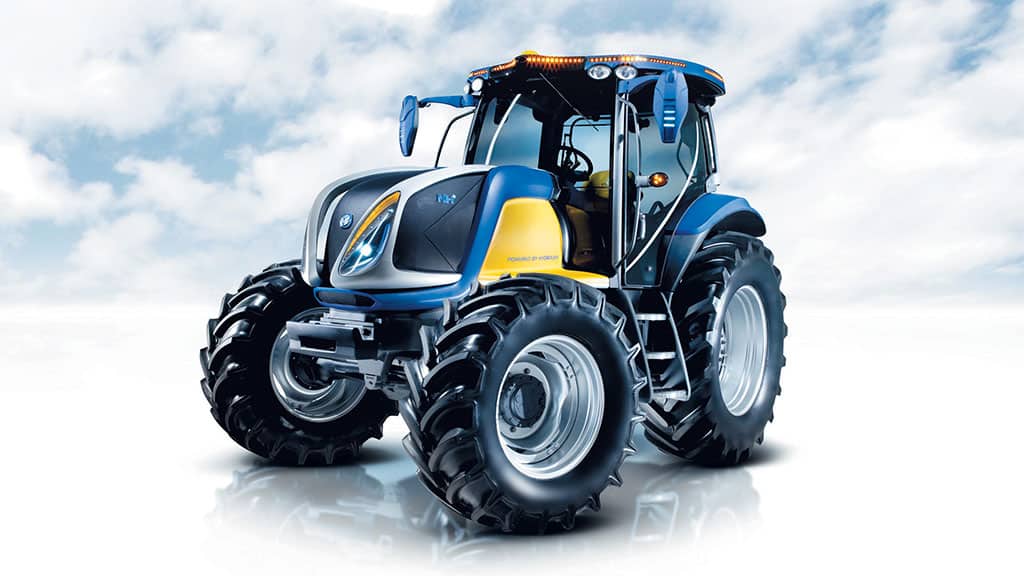
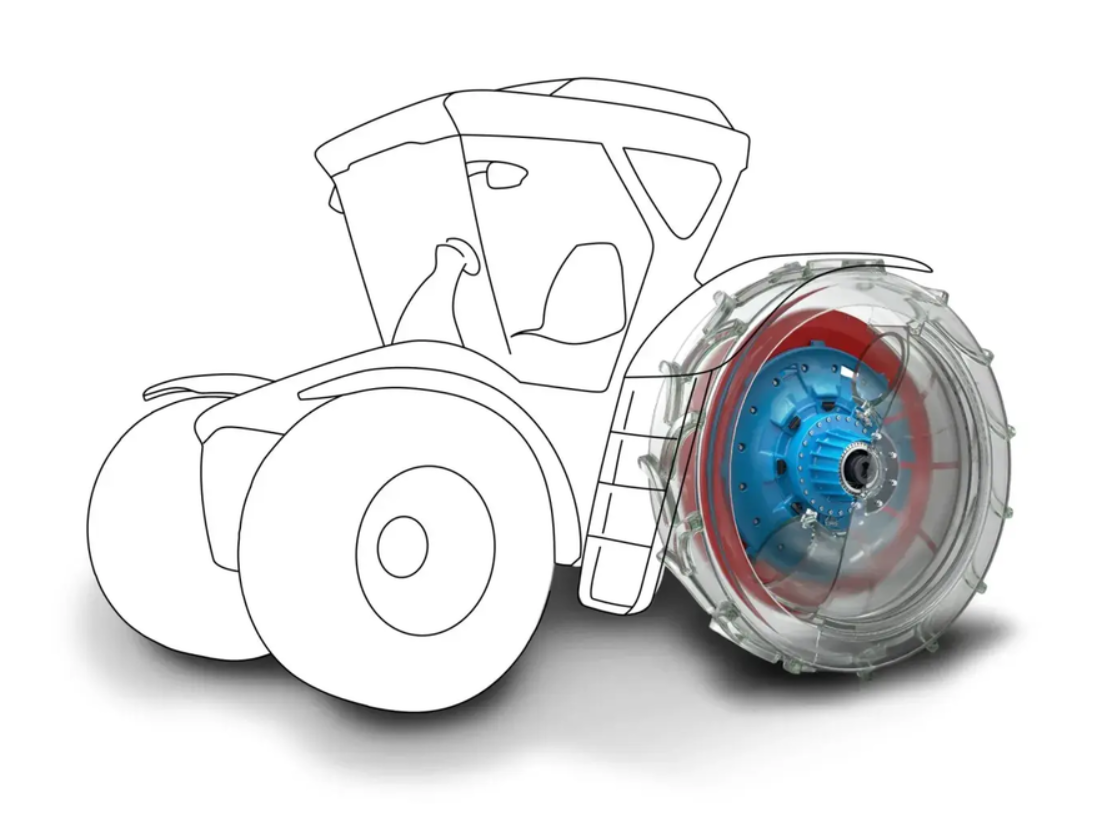
What if a tractor’s wheels did more than carry weight and move the machine forward? German engineers are exploring a surprising idea: using the empty space inside large tractor wheels to store hydrogen fuel.

This innovation could help solve one of the biggest challenges facing hydrogen-powered tractors: limited operating time. Unlike diesel, hydrogen requires much more storage volume, even when compressed at high pressure. That makes it difficult for agricultural machines to work a full day without refueling.

By turning hollow wheels into hydrogen storage units, engineers hope to increase fuel capacity without relying on large, heavy batteries or bulky external tanks.

Why Hydrogen Matters for Agriculture

Hydrogen Tractor

Modern farming depends heavily on powerful machines. Tractors, harvesters, and other agricultural vehicles need strong and reliable energy sources, especially for demanding tasks such as plowing, harvesting, and transporting heavy loads.

Battery-electric systems can work well for smaller machines or short tasks. However, for large tractors, batteries can become too heavy, too expensive, and too slow to recharge.

Hydrogen offers another path. In a hydrogen tractor, fuel cells convert hydrogen into electricity, which then powers an electric motor. If the hydrogen is produced using renewable energy, it is known as green hydrogen and can significantly reduce emissions compared with diesel fuel.

The Main Problem: Hydrogen Takes Up Space

The biggest challenge with hydrogen tractors is not only weight. It is volume.

Diesel stores a large amount of energy in a relatively small tank. Hydrogen, even when compressed, needs much more space to provide the same working range.

The Fendt Helios prototype shows this limitation clearly. It uses several roof-mounted hydrogen tanks with a total capacity of around 21 kilograms. This system can provide approximately five to eight hours of field work, depending on conditions.

That is useful, but still not enough to match the long working days expected from traditional diesel tractors.

Hollow Tractor Wheels as Hydrogen Tanks

To increase storage capacity, engineers looked at an area that is usually unused: the inside of the wheels.

Large agricultural wheels have significant internal volume. By placing reinforced hydrogen pressure vessels inside them, tractors could carry more fuel without taking up space on the roof, around the cab, or on working surfaces.

This approach could offer several advantages:

  • more efficient use of existing space;
  • longer operating time;
  • less need for heavy batteries;
  • cleaner vehicle design;
  • possible use in other heavy-duty machines.

The goal is simple: create a hydrogen tractor that can work for a full day, similar to a diesel model, while producing far fewer emissions.

Electric Drive Built Into the Wheel

The concept goes beyond fuel storage. Engineers are also developing an electric wheel-drive system, combining energy storage and propulsion in the same modular unit.

The motor design reportedly avoids the use of rare earth materials, which could help reduce dependence on expensive or difficult-to-source resources.

By combining hydrogen storage and electric drive inside the wheel assembly, manufacturers could create more flexible tractor designs. This technology may also be useful for construction equipment, heavy trucks, and off-road industrial vehicles.

H2Agrar: Testing Hydrogen Farming in Real Conditions

This research is part of a wider effort to bring hydrogen into agriculture. In Germany, the H2Agrar project has been testing a complete hydrogen farming ecosystem, including production, storage, refueling infrastructure, and real tractor operation.

Green hydrogen is produced locally using electrolysers powered by wind energy. A dedicated refueling station then supplies hydrogen to the agricultural machines.

This kind of full-chain testing is important. A hydrogen tractor cannot succeed on its own. Farmers also need reliable hydrogen production, safe storage, practical refueling stations, and maintenance support.

Technical Challenges Still Remain

Although the idea is promising, several technical challenges must be solved before hollow-wheel hydrogen storage can be used widely.

The first challenge is safety. Hydrogen must be stored under high pressure, and placing it inside a rotating wheel creates demanding engineering requirements. The tanks need to withstand vibration, impact, heavy loads, and rough field conditions.

The second challenge is fuel transfer. Hydrogen stored inside a rotating wheel must move safely to the fuel cell system without leaks or pressure loss.

The third challenge is refueling. Farmers need a system that is simple, fast, and reliable. If the technology is too complex, it will be difficult to adopt in everyday agricultural work.

A Promising Step Toward Sustainable Farming

The hydrogen tractor with hollow-wheel storage is not yet a mass-market product. However, it shows an interesting direction for the future of clean agricultural machinery.

Instead of adding bigger batteries or external tanks, this design uses space that already exists on the vehicle. That makes the concept especially attractive for large machines where space, weight, and durability are critical.

If future testing proves the system is safe and reliable, hollow-wheel hydrogen storage could help farmers reduce diesel use while keeping the power and endurance they need.

Hollow tractor wheels could become an important part of the future of hydrogen farming. By using the empty space inside the wheels, German engineers are trying to solve one of the main problems of hydrogen-powered tractors: limited fuel storage.

This technology is still under development, but it could help create agricultural machines that are cleaner, powerful, and capable of working long hours in the field.

The tractor of the future may not only move on its wheels. It may also carry its energy inside them.

Laisser un commentaire

Votre adresse e-mail ne sera pas publiée. Les champs obligatoires sont indiqués avec *