
Vous débutez avec la voiture électrique ? Comprendre les différents modes de recharge est essentiel pour une utilisation simple au quotidien.
Il existe trois grandes catégories :
- Niveau 1 : recharge lente sur une prise domestique classique.
- Niveau 2 : solution de recharge courante à domicile ou sur borne.
- Recharge rapide en courant continu : conçue principalement pour les longs trajets.
Niveau 1 : la prise domestique
La recharge de niveau 1 utilise une prise domestique standard de 120 volts. Elle ne nécessite généralement aucune installation spécifique.
Elle ajoute typiquement environ 3 à 5 miles d’autonomie par heure, ce qui peut suffire à récupérer durant la nuit l’énergie consommée par un conducteur roulant peu chaque jour.
Elle convient notamment aux petits trajets quotidiens, aux faibles kilométrages et comme solution de secours. Elle devient en revanche très lente pour les gros rouleurs.
Niveau 2 : la recharge quotidienne
Pour la plupart des propriétaires de voitures électriques, la recharge de niveau 2 est la solution la plus pratique. Elle utilise généralement une alimentation de 240 volts, comparable à celle de certains appareils électriques domestiques.
On trouve des bornes de niveau 2 à domicile, sur les lieux de travail, dans les parkings et dans certains commerces.
Une borne de niveau 2 ajoute souvent environ 20 à 30 miles d’autonomie par heure. Pour de nombreux modèles, cela permet une recharge complète pendant la nuit.
- Garez votre voiture à domicile.
- Branchez-la.
- Retrouvez une batterie rechargée le lendemain.
Recharge rapide en courant continu
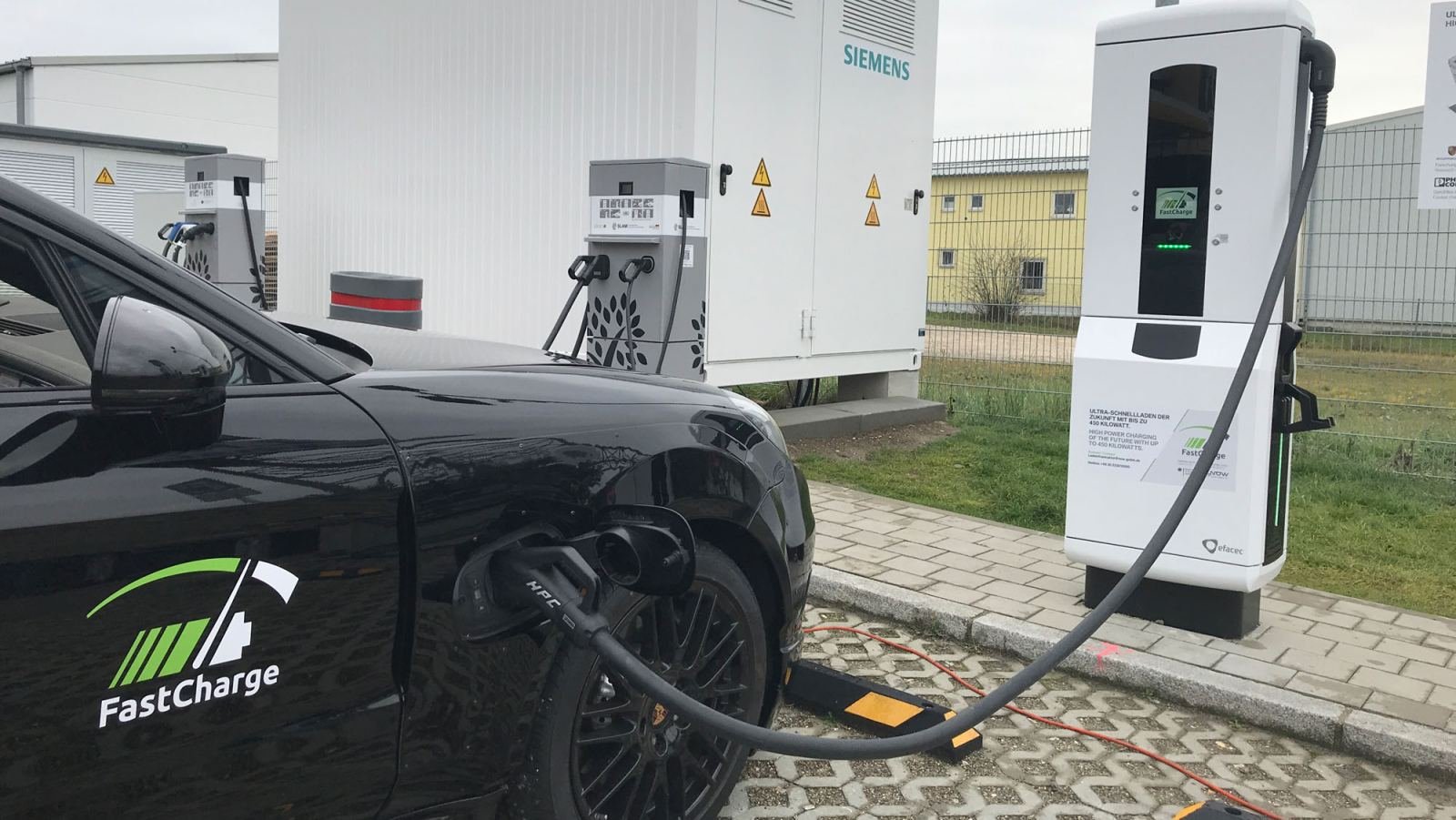
La recharge rapide DC est la méthode la plus rapide. Elle envoie le courant directement vers la batterie en contournant le chargeur embarqué du véhicule.
De nombreuses voitures électriques modernes peuvent passer d’environ 10 à 80 % en 20 à 40 minutes, selon le modèle, la borne et les conditions.
Elle est donc particulièrement adaptée aux longs trajets et aux arrêts rapides sur autoroute. La puissance diminue toutefois généralement à l’approche de 80 % afin de limiter la chaleur et de protéger la batterie.
Les principaux connecteurs
J1772
Principalement utilisé pour les recharges de niveau 1 et 2 sur certains marchés.
CCS
Utilisé notamment pour la recharge rapide en courant continu.
NACS
Le connecteur NACS, développé à l’origine par Tesla, se généralise progressivement dans l’industrie automobile électrique.
Quel niveau choisir ?
| Type | Utilisation | Vitesse |
|---|---|---|
| Niveau 1 | Petits trajets et secours | Lente |
| Niveau 2 | Recharge quotidienne | Adaptée à la plupart des conducteurs |
| Recharge rapide DC | Longs trajets | La plus rapide |
La stratégie la plus simple
Pour la majorité des conducteurs, l’idéal est d’utiliser la recharge de niveau 2 à domicile lorsque cela est possible, de garder le niveau 1 comme solution de secours et de réserver la recharge rapide DC aux longs déplacements.
À retenir
Le niveau 1 privilégie la simplicité, le niveau 2 constitue la solution quotidienne et la recharge rapide DC facilite les voyages. Avec une installation adaptée à votre usage, la recharge d’une voiture électrique devient rapidement une routine.