

En 2026, les automobilistes ont le choix entre trois grandes solutions : hybride classique, hybride rechargeable ou 100 % électrique. Toutes peuvent réduire les coûts d’utilisation et les émissions, mais leur comportement au quotidien est très différent. Le bon choix dépend surtout de la manière et de l’endroit où vous conduisez.
Pour un exemple concret d’hybride Toyota récente, voir également notre essai de la Toyota Crown 2027.
Les trois motorisations en termes simples
Pour un exemple concret, découvrez aussi notre essai de la Toyota Crown 2027 et son système hybride.
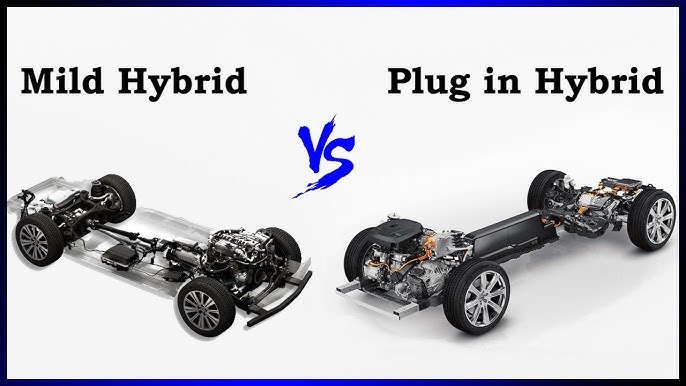
Une hybride classique (HEV) associe un moteur essence à une petite batterie et à un moteur électrique. Vous ne la branchez pas : la batterie se recharge notamment grâce à la récupération d’énergie au freinage. La voiture peut rouler brièvement à l’électricité à basse vitesse avant de faire appel au moteur thermique.
Une hybride rechargeable (PHEV) dispose d’une batterie beaucoup plus grande que vous pouvez recharger sur une prise ou une borne. Elle offre ainsi une véritable autonomie en mode électrique, généralement de 30 à 60 miles (environ 48 à 97 km), avant que le moteur essence ne prenne le relais. Elle peut être utilisée comme une électrique pour les trajets quotidiens et comme une hybride pour les longs voyages.
Une voiture 100 % électrique (VE) n’a pas de moteur thermique. Elle fonctionne uniquement grâce à une grande batterie, rechargée à domicile ou sur des bornes publiques, et ne produit aucune émission à l’échappement.
Coûts d’utilisation : c’est là que la différence apparaît
Pour les conducteurs qui peuvent recharger à domicile, une voiture électrique est généralement la moins coûteuse à utiliser. Le coût de l’électricité par kilomètre est souvent inférieur à celui du carburant et l’entretien est plus simple, avec notamment l’absence de vidange moteur et moins de pièces mécaniques en mouvement.
Une hybride rechargeable ne permet réellement d’économiser que si elle est régulièrement branchée. Un conducteur qui recharge chaque soir et reste dans l’autonomie électrique peut parfois parcourir plusieurs semaines sans faire le plein. À l’inverse, une voiture PHEV jamais rechargée transporte une batterie lourde sans profiter pleinement de son avantage.
Une hybride classique demande peu d’effort supplémentaire : pas de câble et pas de nouvelle habitude de recharge. Son coût au kilomètre ne rivalise pas toujours avec celui d’une électrique, mais elle peut nettement réduire la consommation d’un véhicule essence, notamment en circulation urbaine.
À qui convient chaque solution ?
- Choisissez une hybride classique si vous ne pouvez pas recharger facilement à domicile, conduisez beaucoup en ville et recherchez une utilisation simple.
- Choisissez une hybride rechargeable si vos trajets quotidiens sont courts, que vous effectuez parfois de longues distances et que vous pouvez recharger régulièrement.
- Choisissez une électrique si vous disposez d’une recharge fiable à domicile ou au travail et que votre kilométrage quotidien reste confortablement dans l’autonomie de la batterie.
À retenir
L’écart entre ces technologies évolue rapidement : les réseaux de recharge se développent, les autonomies électriques progressent et l’offre s’élargit. Mais le principe reste simple : adaptez la motorisation à votre usage plutôt qu’à la tendance du moment.
Une hybride rechargeable bien utilisée ou une hybride classique peut encore être une solution adaptée pour un automobiliste qui ne dispose pas d’une recharge fiable.