

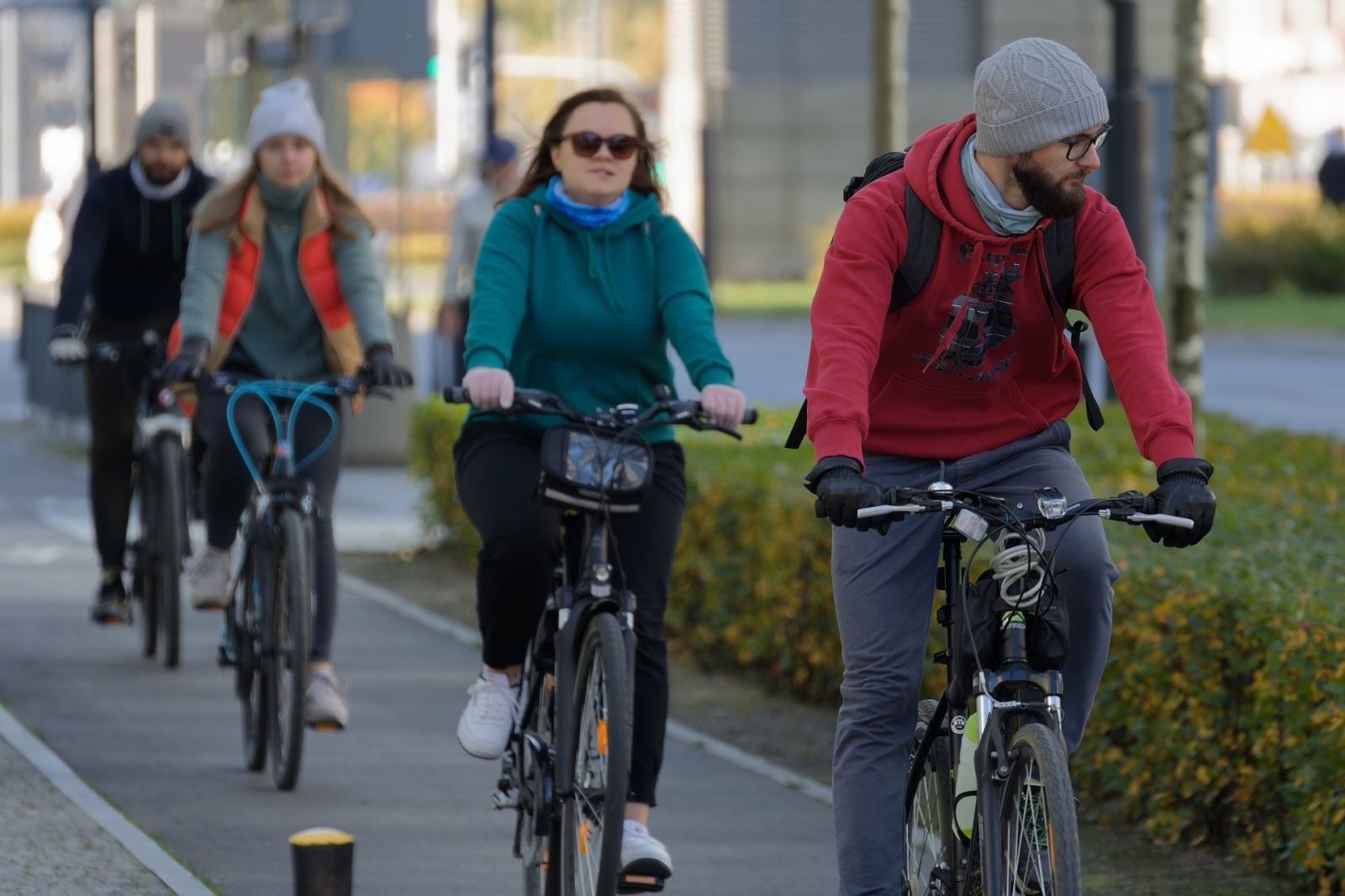
Why Protected Bike Lanes Are Changing the Future of Urban Transportation
Cycling has become one of the most sustainable ways to move through modern cities. It is affordable, environmentally friendly, and helps reduce traffic congestion. Yet many people hesitate to ride because they feel unsafe sharing busy roads with cars and trucks.
Protected bike lanes address this challenge by creating a physical barrier between cyclists and motor vehicles. Unlike traditional painted bike lanes, these separated lanes offer a safer environment where riders can travel with greater confidence.
As more cities invest in cycling infrastructure, protected bike lanes are becoming a key element of safer and more efficient urban planning.
A Safer Solution for Cyclists and Drivers
Road safety is one of the biggest barriers preventing more people from choosing bicycles for daily transportation. Fear of collisions with vehicles remains a major concern, especially for beginners, families, and older riders.
Protected bike lanes help reduce these risks by providing a dedicated space exclusively designed for cyclists. The physical separation creates a safety buffer that minimizes conflicts between bicycles and cars.
Cities that introduce well-planned cycling networks often see improvements in cyclist safety and increased participation. When people feel protected, they are more likely to replace short car trips with bicycle journeys.
Building Better Cities Through Cycling Infrastructure
Creating safer streets requires more than simply adding bike lanes. Successful cycling-friendly cities combine protected routes with a broader approach to urban design.
Effective strategies include:
- Traffic calming measures to reduce vehicle speeds in busy areas.
- Clear road signs and markings to improve awareness among all road users.
- Public education campaigns that encourage respect between drivers and cyclists.
- Connected cycling networks that allow riders to travel safely across the city.
These improvements create streets where pedestrians, cyclists, and drivers can share public spaces more safely.
How Protected Bike Lanes Benefit Entire Communities
The impact of protected bike lanes extends far beyond cyclist safety. Encouraging more people to cycle can transform the way cities function.
Less Traffic and Cleaner Air
More bicycles on the road mean fewer cars making short urban trips. This can help reduce congestion, lower greenhouse gas emissions, and improve air quality in densely populated neighborhoods.
Healthier Residents
Cycling provides an easy way to incorporate physical activity into everyday life. A city designed for bicycles can support healthier communities by making active transportation more accessible.
Stronger Local Economies
Bike-friendly streets can also benefit businesses. Cyclists often explore local shops, restaurants, and cafes along their routes, creating new opportunities for neighborhood economic growth.
The Future of Urban Mobility Starts With Safer Streets
Protected bike lanes are more than a transportation project—they represent a shift toward smarter, safer, and more sustainable cities. By prioritizing cyclist safety and investing in modern infrastructure, urban areas can create environments where more people feel comfortable choosing bicycles.
As cities continue to evolve, protected bike lanes will play a central role in building cleaner communities, reducing road conflicts, and shaping the future of urban mobility.