

A Journey Through Women’s Fashion History
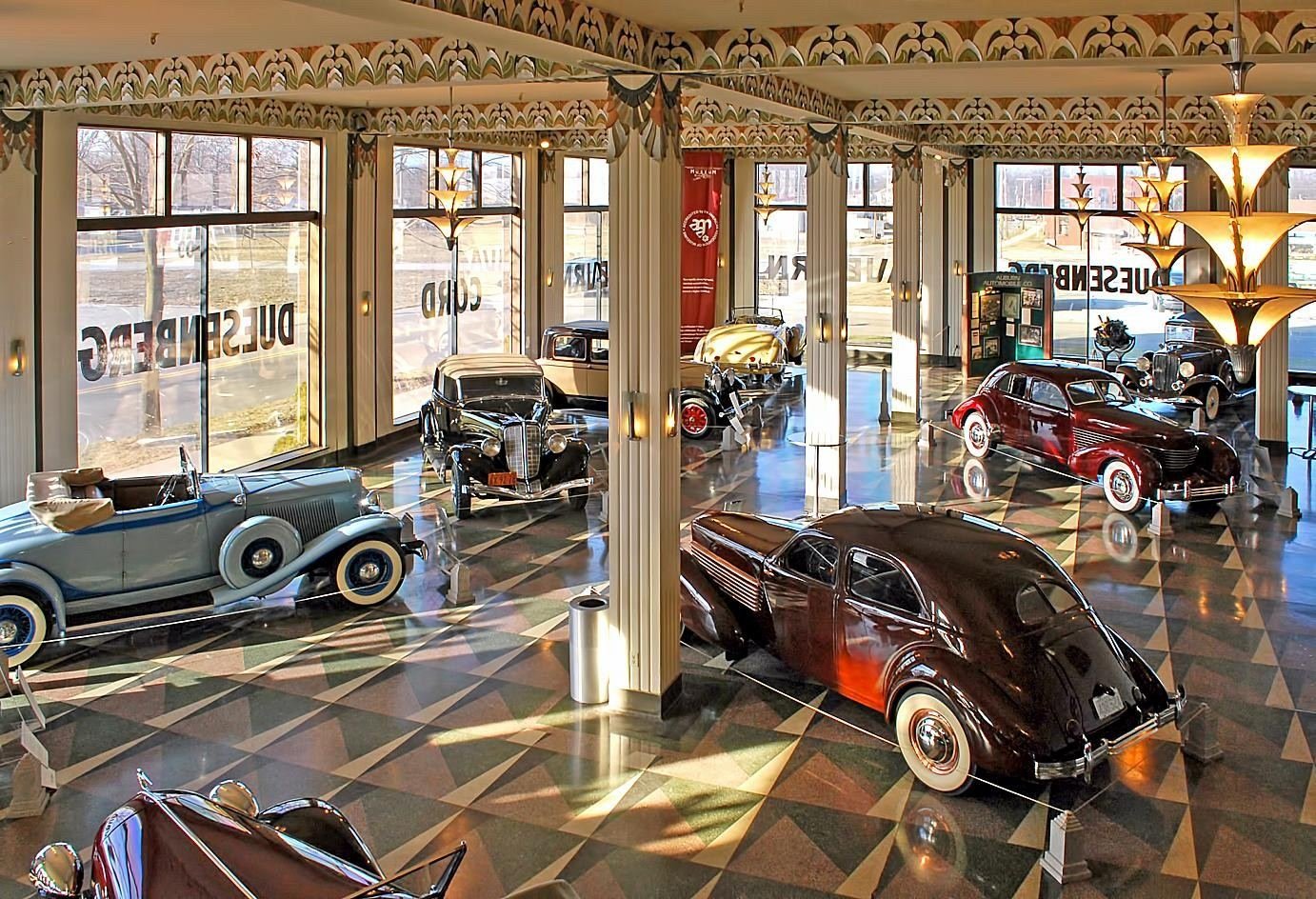
Step into a world where every dress tells a story. The Auburn Cord Duesenberg Automobile Museum invites visitors to travel back to the early 1900s and discover how women’s fashion evolved through decades of transformation, from the elegance of the Edwardian era to the daring spirit of the 1920s.
More than a collection of beautiful garments, this exhibit explores the connection between fashion, culture, and women’s changing roles in society. Through carefully preserved dresses, accessories, and historical pieces, visitors can see how clothing reflected a new era of confidence and independence.
When Fashion Followed a Changing Society
The beginning of the 20th century was a time of major social transformation. Women were gaining greater visibility in public life and fighting for political rights, including the right to vote. Their clothing began to mirror this desire for freedom.
At the start of the century, women’s fashion often featured structured silhouettes, corsets, and elaborate designs that emphasized tradition and formality. But as lifestyles changed, so did wardrobes. Garments gradually became more practical, comfortable, and suited to modern women who were entering new professional and social spaces.
One of the most recognizable symbols of this transformation was the 1920s flapper dress. With its shorter length, relaxed shape, and bold decorative details, the flapper style represented independence, confidence, and the energetic culture of the Roaring Twenties.
From Edwardian Elegance to 1920s Glamour
The exhibit showcases the dramatic contrast between different fashion eras. Visitors can admire the refined elegance of Edwardian clothing, known for intricate details, luxurious fabrics, and graceful silhouettes, before exploring the creativity and experimentation of the Jazz Age.
Dresses, hats, jewelry, and accessories reveal how designers used materials, patterns, and craftsmanship to create unforgettable styles. Each piece highlights the imagination of fashion creators who challenged traditional ideas and introduced new ways for women to express themselves.
Fashion as a Statement of Identity
Early 20th century fashion was not simply about appearance. Clothing became a way for women to communicate personality, social position, and personal values. The choices women made about what they wore reflected broader conversations about independence and changing expectations.
The growth of department stores, fashion magazines, and mass production also transformed the way trends spread. Styles that were once limited to wealthy circles became available to a wider audience, allowing more women to participate in the evolving world of fashion.
Why This Fashion Exhibit Matters Today
Looking back at women’s fashion from 1900 to the 1930s offers more than a glimpse into the past. It provides a powerful reminder that clothing often reflects the challenges, ambitions, and achievements of each generation.
The Auburn Cord Duesenberg Automobile Museum’s exhibit brings history to life by showing how fabric, design, and style became part of a larger cultural movement. For fashion lovers, history enthusiasts, and curious visitors, it is an opportunity to discover how a changing world created a new vision of modern womanhood.