
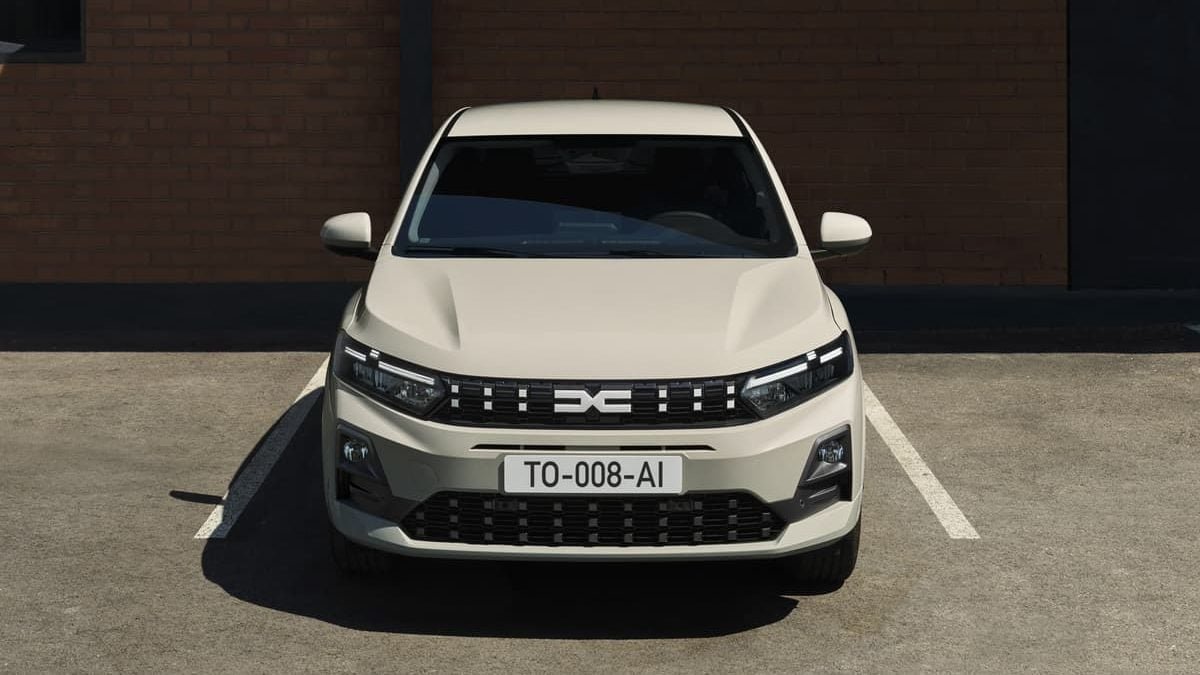
La Dacia Sandero a une nouvelle fois atteint le sommet du marché automobile européen, et sa performance récente en dit long sur les attentes des conducteurs actuels, au-delà d’un simple classement des ventes.
Avec 19 709 immatriculations en juillet, la Sandero a devancé plusieurs des modèles les plus vendus en Europe. Dans le même temps, la Tesla Model Y, l’une des voitures électriques les plus connues du continent, est tombée à la 73e place sur le mois.
Le contraste est frappant. L’un des modèles mise sur l’accessibilité et la simplicité, tandis que l’autre représente la technologie, l’électrification et une approche très différente de l’automobile moderne. Que nous apprend réellement ce résultat sur les acheteurs européens ?
Le prix reste l’une des principales raisons d’acheter une voiture
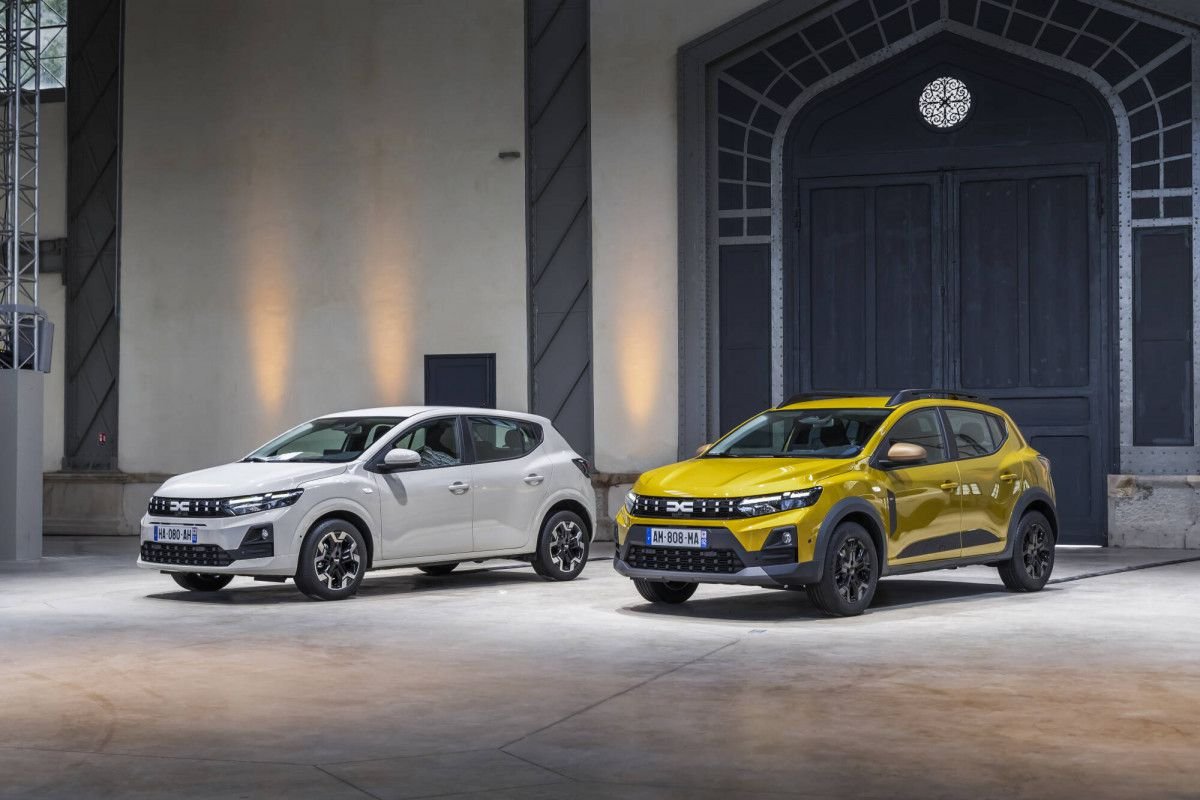
Le succès de la Dacia Sandero intervient alors que le coût d’achat d’une voiture neuve reste une préoccupation importante pour de nombreux ménages européens. Ces dernières années, les véhicules neufs sont devenus nettement plus chers. Les acheteurs doivent donc examiner attentivement ce qu’ils obtiennent réellement en échange de leur budget.
C’est précisément là que la stratégie de Dacia devient intéressante. La Sandero ne cherche pas à concurrencer les modèles premium sur la technologie ou le luxe. Elle se concentre plutôt sur l’essentiel : un prix d’achat raisonnable, des dimensions pratiques, un équipement utile et des coûts d’utilisation maîtrisés.
Pour un conducteur qui cherche simplement un moyen de transport fiable pour les trajets domicile-travail, les courses et les déplacements quotidiens, cette proposition peut être difficile à ignorer. Les chiffres de juillet rappellent un point important : même dans une industrie automobile en pleine mutation, l’accessibilité financière reste un argument extrêmement puissant. Les consommateurs peuvent s’intéresser aux véhicules électriques et aux nouvelles technologies sans pour autant accepter de payer beaucoup plus cher pour en bénéficier.
Les voitures électriques progressent, mais le choix des acheteurs s’élargit
Cette diversité des motorisations se retrouve aussi chez Toyota, avec la Crown 2027 et son système hybride THS 5.
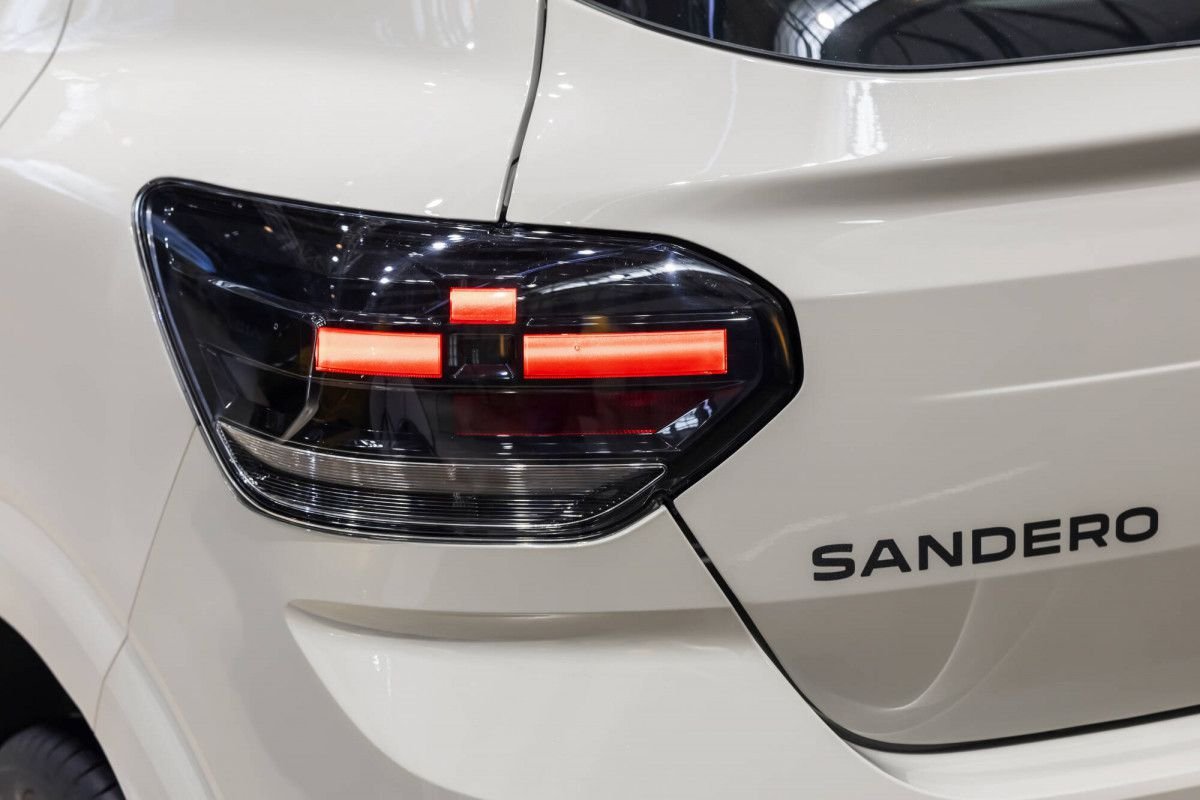
La performance de la Sandero ne doit pas être interprétée comme un rejet des voitures électriques. La transition européenne vers l’électrification se poursuit et les constructeurs lancent chaque année davantage de modèles électriques. La différence est que les consommateurs disposent désormais d’un choix beaucoup plus large.
Tesla occupait autrefois une position particulièrement forte sur le marché européen des véhicules électriques. Aujourd’hui, les acheteurs peuvent choisir parmi des modèles électriques de Volkswagen, Renault, BMW, Mercedes-Benz, Hyundai, Kia et d’un nombre croissant de constructeurs chinois.
L’arrivée de marques comme BYD a encore renforcé la concurrence, notamment sur les prix, la technologie et l’autonomie. Cela change la manière dont les consommateurs prennent leur décision. Une voiture électrique n’est plus automatiquement associée à un petit groupe de constructeurs premium ou spécialisés dans la technologie. Elle est devenue une catégorie beaucoup plus vaste.
Le choix devient donc plus complexe. Les conducteurs comparent de plus en plus le prix, l’autonomie, la vitesse de recharge, l’équipement, la fiabilité et les coûts d’utilisation plutôt que de se demander simplement si le véhicule est électrique. Le classement de juillet parle ainsi moins d’opposition entre essence et électrique qu’il n’y paraît. Il montre surtout ce que les acheteurs considèrent comme le meilleur compromis global.
Le succès de la Sandero peut aussi servir d’avertissement à l’industrie automobile
La principale leçon de la performance de la Sandero concerne peut-être davantage les constructeurs que les consommateurs. Les groupes automobiles investissent des milliards dans l’électrification, les logiciels, la conduite automatisée et des habitacles toujours plus sophistiqués.
Ces évolutions sont importantes, mais il existe toujours un marché considérable pour les personnes qui recherchent quelque chose de beaucoup plus simple. La Dacia Sandero montre qu’une voiture n’a pas nécessairement besoin d’être remplie de technologies coûteuses pour devenir un best-seller. Le défi pour les constructeurs sera de trouver le bon équilibre entre leurs ambitions technologiques et la réalité financière des consommateurs.
Le marché automobile européen évolue donc dans deux directions à la fois. Les conducteurs veulent de nouvelles technologies et des véhicules plus propres, mais ils veulent aussi des prix accessibles. Cet équilibre pourrait devenir l’un des enjeux majeurs du marché automobile européen dans les prochaines années.