

Florida will change how citizenship information is recorded on state driver’s licenses and identification cards under HB 991, an elections law signed by Gov. Ron DeSantis on April 1, 2026. But despite online headlines suggesting Florida will inspect vehicles or visibly label every noncitizen driver, the enacted legislation does not establish a “car-by-car” inspection program. Instead, the law requires Florida-issued licenses and ID cards for U.S. citizens to display their citizenship status by July 1, 2027, when a card is newly issued, renewed or replaced. The broader law also connects Department of Highway Safety and Motor Vehicles records more closely to Florida’s voter-registration system beginning January 1, 2027.
What Florida’s new driver’s license rule actually says
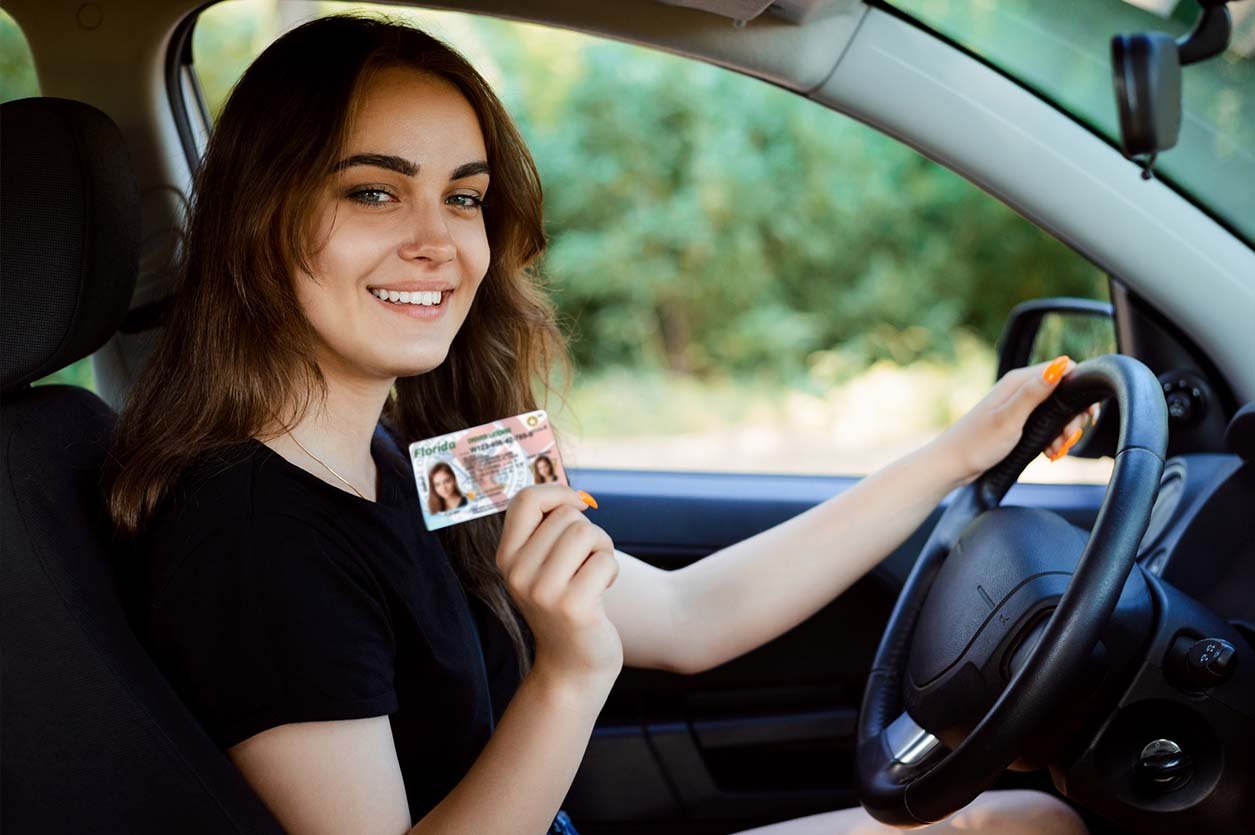
HB 991 creates Section 322.034 of Florida law. Its wording is specific: by July 1, 2027, a Florida driver’s license or identification card issued to a qualified applicant recorded as a U.S. citizen must include that person’s citizenship status when the document is issued, renewed or replaced.
That distinction matters because several reports circulating online have claimed that noncitizens will receive licenses carrying the letters “NC.” The final legislative text reviewed by the Florida Legislature does not specify an “NC” designation. It explicitly requires a citizenship-status designation for U.S. citizens but leaves the precise card design and implementation to the state.
The law also does not order Florida authorities to stop and inspect every vehicle or driver.
Why the change matters beyond driver’s licenses
The license provision is part of a much broader elections measure. Beginning January 1, 2027, Florida’s voter-registration system will make greater use of Department of Highway Safety and Motor Vehicles data concerning citizenship.
When people register to vote or update their registration, state election officials will be able to compare their information with citizenship data held by the motor-vehicle department. Florida officials must also begin procedures to verify voters identified through government records as potentially ineligible because of citizenship status.
Those individuals are not automatically treated as noncitizens solely because of a database discrepancy. The law establishes procedures allowing affected voters to provide evidence of U.S. citizenship, including a U.S. passport, birth certificate, naturalization certificate or qualifying Florida identification showing citizenship.
Who will be affected
The practical impact will be most visible for Floridians applying for a new license or ID, renewing an existing document, replacing a card or updating their status after naturalization.
The legislation does not require every existing Florida license to be replaced immediately. It also provides a free replacement or renewal for people who become U.S. citizens and promptly update their legal status with the state.
Lawfully present immigrants already undergo immigration-status verification when applying for Florida credentials. FLHSMV documentation says immigrants and nonimmigrants must provide proof of identity and lawful presence, which can be verified through federal immigration databases.
What has not changed
HB 991 should not be confused with Florida’s existing restrictions on licenses for undocumented immigrants. Florida law already prohibits the state from issuing driver’s licenses or identification cards to unauthorized aliens or undocumented immigrants. That restriction predates the new 2026 elections law.
The new measure therefore concerns primarily how verified citizenship information is displayed and how that information can be used for election administration, rather than creating a new roadside immigration-check system.
What to watch next
The key implementation deadline is July 1, 2027, when the citizenship designation must appear on qualifying Florida licenses and ID cards. Before then, the Florida Department of Highway Safety and Motor Vehicles will need to determine how the information will appear in practice.
Any official card redesign, administrative rules or FLHSMV guidance will be important because the legislation itself does not prescribe the widely reported “NC” label for noncitizens.
For election administration, January 1, 2027 is the other major date. That is when the central provisions connecting motor-vehicle citizenship records with voter-registration verification are scheduled to take effect.