
Les prix du pétrole repartent fortement à la hausse. Le Brent a dépassé les 93 dollars le baril jeudi 20 août, alors que les tensions au Moyen-Orient continuent de faire peser des incertitudes sur les approvisionnements mondiaux.
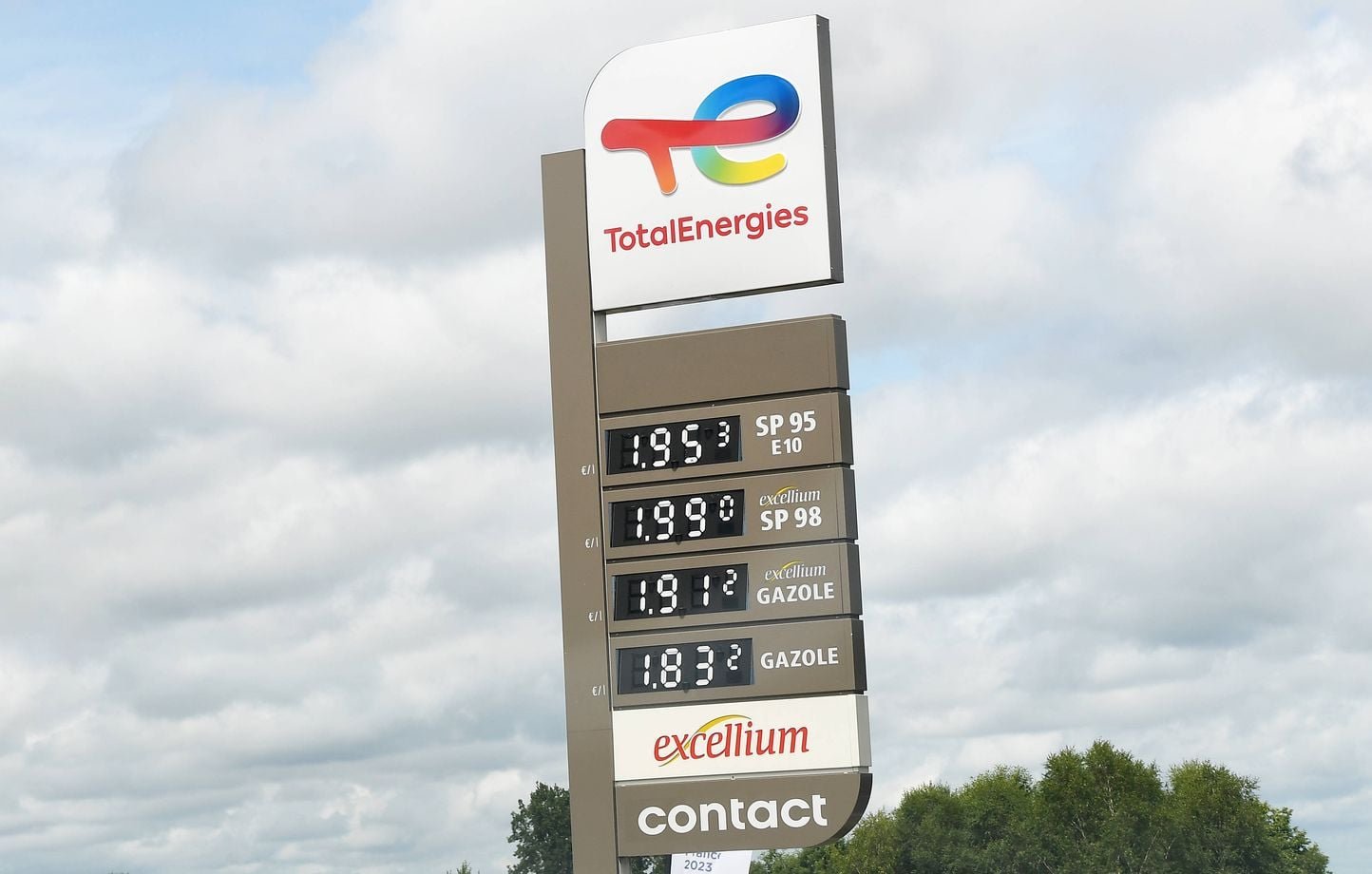
Cette remontée attire l’attention des automobilistes, notamment ceux qui roulent à l’essence ou au diesel. Mais cette nouvelle hausse du pétrole signifie-t-elle forcément que les prix à la pompe vont augmenter à leur tour ?
Le Brent dépasse 93 dollars
Les cours du pétrole ont enregistré leur cinquième séance consécutive de hausse jeudi.
Les contrats à terme sur le Brent pour livraison en octobre ont progressé de 2,19 dollars, soit 2,39 %, pour atteindre 93,81 dollars le baril. Le pétrole américain West Texas Intermediate a gagné 2,33 dollars, à 88,16 dollars le baril.
Les deux références ont atteint leur niveau le plus élevé depuis le 24 juillet.
Cette hausse intervient alors que les investisseurs continuent de surveiller la situation au Moyen-Orient et son éventuel impact sur les exportations de pétrole.
Le détroit d’Ormuz reste une préoccupation majeure
Une grande partie des inquiétudes se concentre sur le détroit d’Ormuz, une voie maritime essentielle pour les approvisionnements pétroliers mondiaux.
Avant le début de la guerre le 28 février, des volumes équivalents à environ un cinquième de la consommation mondiale de pétrole transitaient par cette voie maritime.
Depuis, les flux ont fortement diminué par rapport à leurs niveaux précédents.
Les marchés suivent donc la situation de près. Toute nouvelle perturbation majeure pourrait réduire les volumes disponibles et exercer une pression supplémentaire à la hausse sur les prix du pétrole.
Parallèlement, les négociations visant à mettre fin au conflit restent bloquées, tandis que les tensions impliquant l’Iran et plusieurs pays de la région entretiennent l’incertitude.
Quel impact possible sur les prix de l’essence et du diesel ?
Une hausse durable du prix du pétrole brut peut finir par exercer une pression à la hausse sur les carburants.
Cependant, une hausse de 2 ou 3 % du pétrole brut ne se traduit pas automatiquement par une hausse équivalente à la pompe.
Le prix payé par les automobilistes dépend de plusieurs facteurs : coût du pétrole brut, raffinage, transport, marges de distribution, taux de change entre le dollar et l’euro et fiscalité.
Il existe également un décalage entre les mouvements des cours du brut et leurs répercussions dans les stations-service.
Autrement dit, la hausse du Brent constitue avant tout un indicateur à surveiller. Si les cours restent élevés plusieurs jours ou poursuivent leur progression, la pression sur les prix de l’essence et du diesel pourrait devenir plus importante.
Le diesel fait également l’objet d’une surveillance accrue
La situation concerne particulièrement les automobilistes roulant au diesel, car les stocks américains de produits distillés, qui comprennent notamment le diesel et le fioul domestique, ont diminué pour la troisième semaine consécutive.
Cette baisse intervient alors que les marchés évaluent déjà l’impact potentiel du conflit sur les approvisionnements en carburants raffinés.
Dans le même temps, les stocks américains de pétrole brut ont augmenté de manière inattendue de 4,4 millions de barils la semaine dernière, apportant un certain soulagement face aux inquiétudes sur l’offre de brut.
Une nouvelle flambée des prix est-elle déjà annoncée ?
Pas nécessairement.
Les marchés pétroliers restent très sensibles aux événements géopolitiques. Une amélioration des négociations ou une baisse des tensions pourrait rapidement réduire la pression sur les cours.
À l’inverse, une nouvelle perturbation des exportations de pétrole ou une aggravation du conflit pourrait pousser les prix à nouveau à la hausse.
Pour les automobilistes, les prochaines séances de cotation seront donc importantes à surveiller.
Pour l’instant, un Brent au-dessus de 93 dollars le baril ne suffit pas à confirmer une envolée imminente des prix de l’essence et du diesel. Mais si le pétrole reste durablement à ces niveaux, la pression sur les prix à la pompe pourrait progressivement augmenter.
Une chose est certaine : après cinq séances consécutives de hausse, le marché pétrolier regarde de nouveau sérieusement vers le seuil des 100 dollars le baril.