
On July 30, 2026, The Wall Street Journal reported that Tesla advisers had examined ways to separate the company’s China operations—including a sale, spin-off or closure—to reduce regulatory obstacles around a possible merger with SpaceX. Elon Musk quickly rejected the report, saying the subject had never been discussed. No transaction has been announced, and the reported options may never progress. Still, the story exposes a strategic problem that matters to drivers.
Tesla’s Shanghai operation is not a minor overseas subsidiary. It is the company’s most productive vehicle plant, building the Model 3 and Model Y for China and export markets. Its highly localized supply chain has also helped Tesla control costs. Separating that network could eventually affect vehicle prices, delivery times, parts supply and product updates. The real issue is therefore bigger than a possible Tesla-SpaceX merger: geopolitical pressure could divide the manufacturing system that made Tesla’s mass-market EVs globally competitive.
What You Need to Know
The reported discussions follow growing speculation about closer links between Tesla and SpaceX. A combination would be difficult because SpaceX is a major U.S. government contractor, while Tesla has extensive manufacturing, supplier and customer relationships in China. Any deal could attract scrutiny in Washington and Beijing over data, technology and national security.
| Factor | Current position | Buyer relevance |
|---|---|---|
| Shanghai plant | 950,000+ vehicles of annual capacity | Critical Model 3 and Model Y supply |
| Local sourcing | More than 95% of components | Supports low costs and fast production |
| China business | Nearly 17% of Tesla revenue | A major operation would be separated |
| Competition | BYD, Xiaomi, XPeng and Li Auto | Tesla faces rapid product cycles |
Opened in 2019, Gigafactory Shanghai supplied more than half of Tesla’s worldwide deliveries in 2025, according to the company’s China representative.
Why This Development Matters
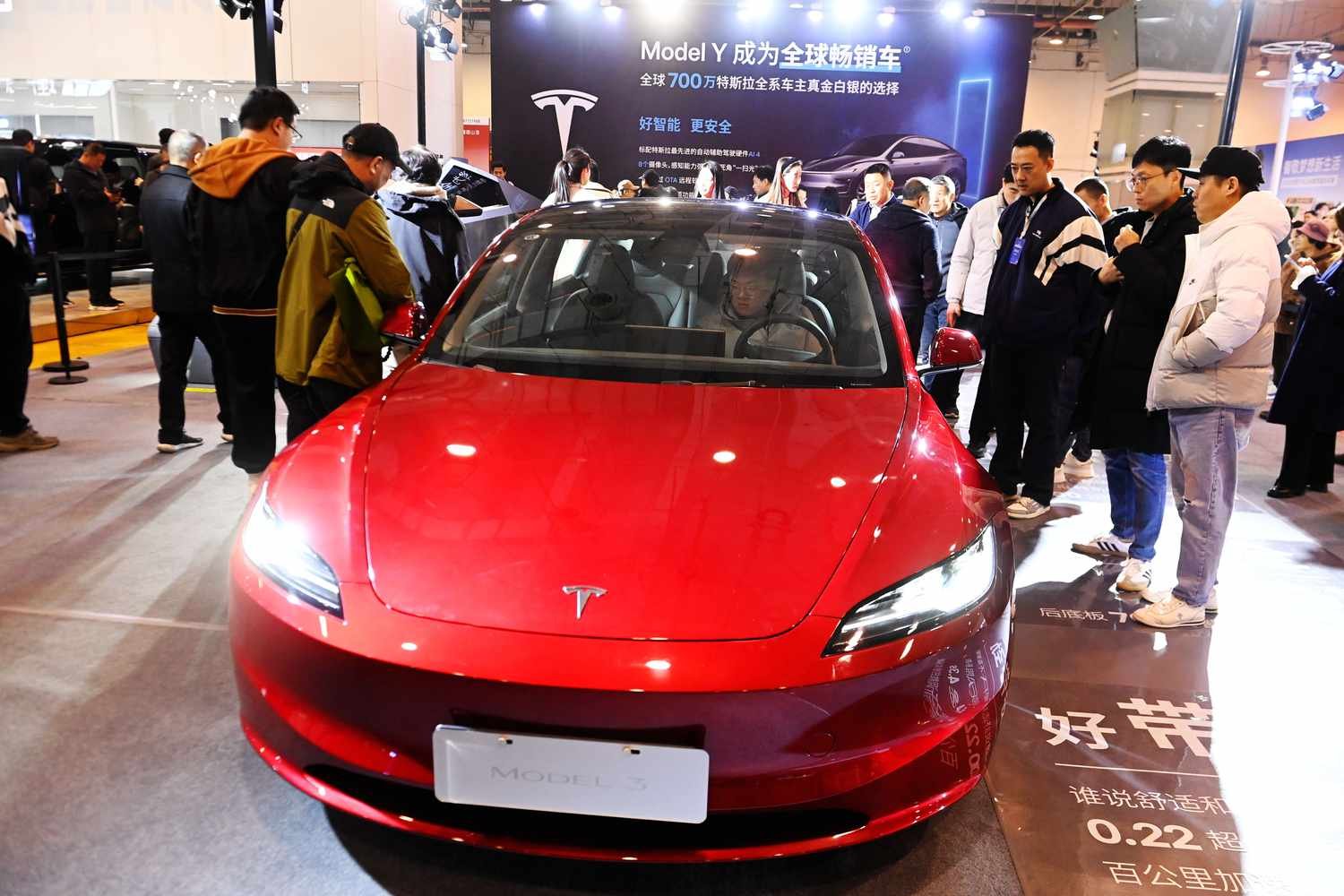
The overlooked risk is that Tesla could become two increasingly different car companies. A separated Chinese operation might develop vehicles, software and supplier relationships for local buyers, while the U.S. and European businesses adopt different batteries, chips and regulations.
That would weaken a historical Tesla advantage: selling a small number of closely related models across large markets. More regional complexity generally brings additional engineering, certification and logistics costs.
The Impact for Drivers
What Could Change First
For current owners, nothing changes immediately. Warranties, Supercharging access and software updates remain in place unless Tesla announces a formal restructuring.
Longer term, buyers could face:
- Higher prices if other factories cannot match Shanghai’s costs.
- Longer waits for China-built Model 3 and Model Y versions.
- More regional differences in batteries, software and driver-assistance features.
- Greater uncertainty over parts sourcing and resale values.
A spin-off could also help a China-focused Tesla react faster to local rivals and develop cheaper models. That benefit would depend on continued access to Tesla’s brand, software and charging ecosystem.
Competitors and Alternatives
Tesla is already under intense pressure in China. Domestic manufacturers controlled about 72% of the market in the first half of 2026, while Tesla’s local sales fell 9%. BYD offers a broad electric and plug-in-hybrid range; Xiaomi competes through connected technology; XPeng emphasizes driver assistance; and Li Auto is strong in range-extended SUVs.
Outside China, models such as the BYD Seal, Hyundai Ioniq 5, Kia EV6, Volkswagen ID.7 and Polestar 2 could become more relevant if Tesla prices or availability change.
What to Expect Next
The next meaningful signal will be a change in Shanghai export volumes, supplier contracts, ownership or Tesla’s China product roadmap—not another merger rumor. For now, the proposed Tesla China business sale remains unconfirmed.
Even if Musk’s denial proves definitive, the episode shows how exposed global EV production is to U.S.-China tensions. For drivers, the key question is no longer only which electric car has the best range. It is whether the supply chain behind that car can remain stable throughout the years they plan to own it.